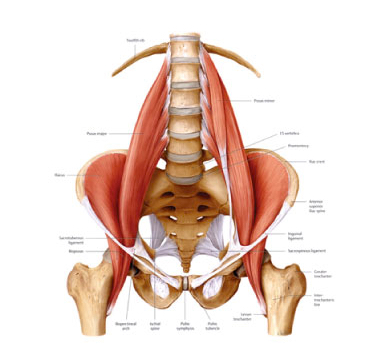
The psoas major muscle is often referred to as the deepest core, or by some, the muscle of the soul. This core-stabilizing muscle affects mobility, structural balance, joint function, flexibility, and much more. In addition to its function to help keep the body upright and moving, the psoas is believed to allow you to connect with the present moment especially when it is stretched out and tension is released from the body.
There is a lot more to the psoas than one might initially think. A healthy and well integrated psoas may be vital to not only our structural health but our psychological wellbeing as well. Some therapists and yogins believe that the psoas embodies our deepest urge for survival, and more profoundly, our elemental desire to flourish. By keeping the psoas vital and integrated we are able to harness healing pranic energy and improve physical, mental, and spiritual health.
Where is the Psoas?
In addition to being one of the principal muscles associated with vertical physical stability, the psoas is involved in initiating stepping moments of the leg, and can be retroactively involved in respiration. The posts stretches from the ventral surface of the spinal column to the upper part of the medial femur head. It is the only muscle connecting the legs to the spinal column. The muscle flares out from the T12 vertebrae, follows down from attachments to the five lumbar vertebrae before attaching to the inner surface at the top of the thigh bone. Another segment of the psoas attaches along the inner surface of the pelvic bowl and extends down to connect with the bands running from the lumbar vertebra.
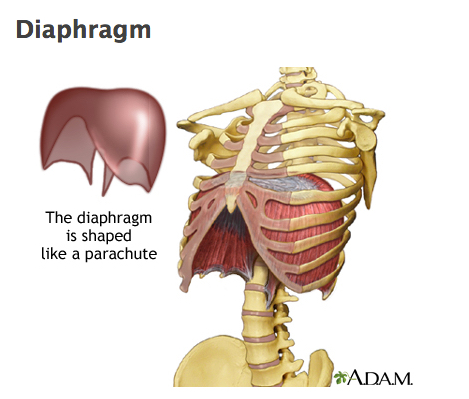
In addition to connecting the legs and spine, the psoas is connected to tendonous segments of the diaphragm (the muscular structure which is responsible for modulating breathing). This central core part of the body is the upper boundary of the gut and the enteric nervous system. It is sometimes called the Solar Plexus, or in the yoga traditions, the manipura chakra.
There are direct structural and energetic links between the psoas and the most ancient parts of our brain stem and spinal cord, sometimes referred to as the reptilian brain. These primeval cortical structures are responsible for regulating survival drives and automatically maintaining essential core functioning which in turn ensures the vitality and living integrity of the organism. Considering not only the location of these structures but their functions as well, it is not difficult to understand why the many physical symptoms associated with fear and anxiety manifest here. The way most humans live today (constantly rushing, defending, competing and achieving) can result in locking the psoas into a constant state of “fight or flight”. This situation is exacerbated by many things in our modern lifestyle including car seats, constrictive clothing, chairs, footwear that distorts gait and standing posture. In fact any impediment that curtails our natural movements can contribute to constricting and impeding our psoas muscles.
This lifelong chronic stress put on the psoas can lead to many problems like back, hip, or knee pain, and even digestive issues and dysfunctional breathing. It could also be a major cause why people suffer from chronic physical pain.
The physical body is not the only part of you that suffers from a chronically-stressed psoas. The psoas is much more than a muscle used for structural stability. It influences every element of life, from how you feel, to how you look at the world, and even how you treat others.
A variety of problems have been associated with a chronically-stressed psoas muscle: it can negatively affect your emotional state; it can impact your interpersonal relationships; and it can influence your general contentment with life. Awareness that a healthy psoas is important to emotional wellness, as well as physical health, is the first step towards ensuring that we give this muscle the attention it deserves.
Fear And The Psoas
Fear is an emotion that manifests itself in the most unusual ways and can “lock” itself into the body resulting in both physical and emotional tension as well as a constellation of dysfunctional symptoms. Because the psoas is closely linked to our “fight or flight” mechanism, fear can be over-represented in those with a constricted psoas. By restoring balance to your psoas muscles, you are likely to release this pent up tension, which can have a profound effect on releasing unfounded fearfulness about life, and thus improve both your physical and mental wellbeing. Along with fewer muscle aches and strains you will feel a greater sense of ease and inner peace.
Lengthening and releasing your psoas grounds you and allows you to connect with the healing and revitalizing energy of the Earth. This also allows you to balance your pranic energy and enabling you to feel more present in the moment. Proper structural stability attributed to a healthy psoas allows for an unimpeded flow of prana throughout the body which results in a proper distribution of vital energy. In the physical sense, when the body can properly support itself movement is less-restricted and requires less effort, thus leaving you more energetic.
In short, it is clear that the psoas is an important, yet often unknown, muscle that plays a vital role in physical health and mental well-being. The cumulative effect of neglecting this muscle is physical and mental stress and tension, which manifests itself in our society as anxiety, depression, chronic back pain, knee pain, digestive distress, respiratory problems, etc.

 transform-bodywork.health.blog